
On August 31, 2025, three weeks after we launched RunMat as a command-line runtime for MATLAB-language code, we wrote down where we wanted to go in the long run. The document was called Northstar.
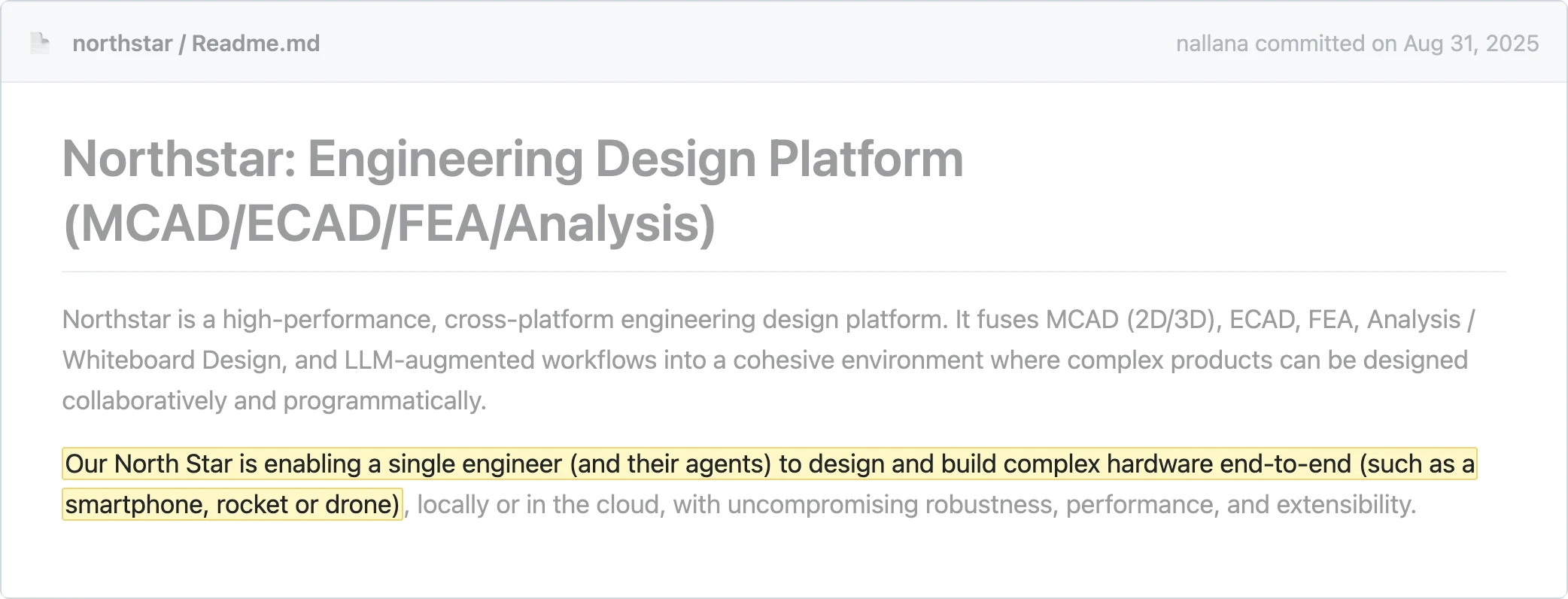
The original roadmap started with geometry: a modeling kernel, assemblies and drawings, with analysis and simulation later. We ended up building it the other way around.
We started with analysis, because every engineering tool, from a geometry kernel to a stress solver to a circuit simulator, is resolved by math underneath, and we believed readability of that representation would matter a great deal in the future as designs got larger and more complicated.
A fast, correct runtime for that math was the foundation everything else would need, and building it first gave us a high-performance compiler pipeline that the rest of RunMat now builds on.
Today we're releasing RunMat 0.7, which deepens the math part considerably and adds the rest of what Northstar described: simulation, mechanical design (MCAD) and electronic design (ECAD).
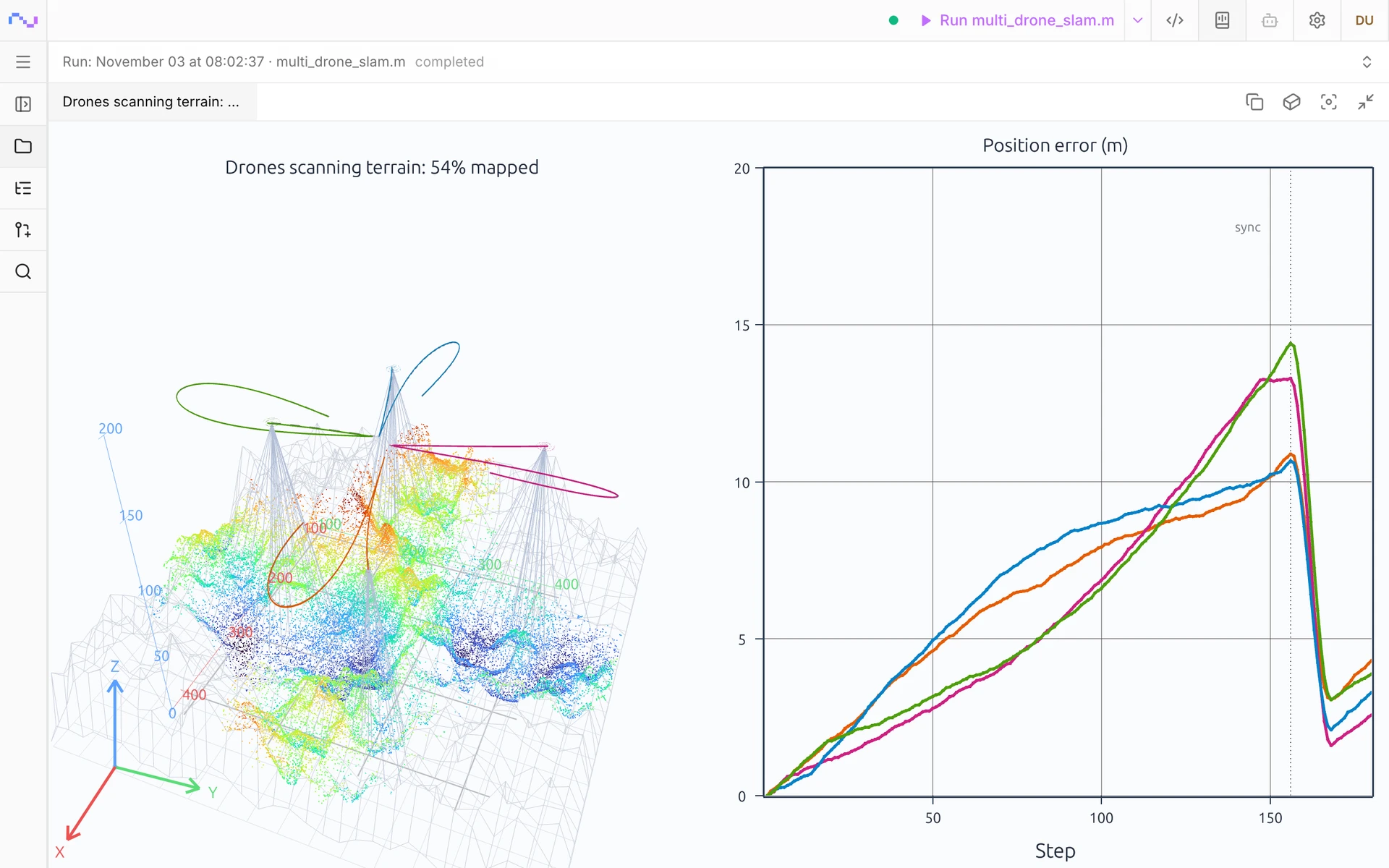
Execute and debug highly readable matrix math fast across GPUs and CPUs
Starting with the math
Engineering teams already have decades of MATLAB-language code, written by people who think in matrices. It is a language already taught to every engineer in school, LLMs know it well, and it cuts a lot of syntax for easier readability.
In the last year, we went from a simple interpreter for MATLAB syntax math to a compiler pipeline modeled on Rust's, which lowers a program step by step: from text to a syntax tree, then to a semantic form that records what every name means, then to a control-flow graph. Each step lets the compiler resolve more of the code statically (i.e. before it's run), resulting in red underlines where math operations would fail before expensive runs, and allowing the planner to route large computation branches to the GPU when justified by operation size.
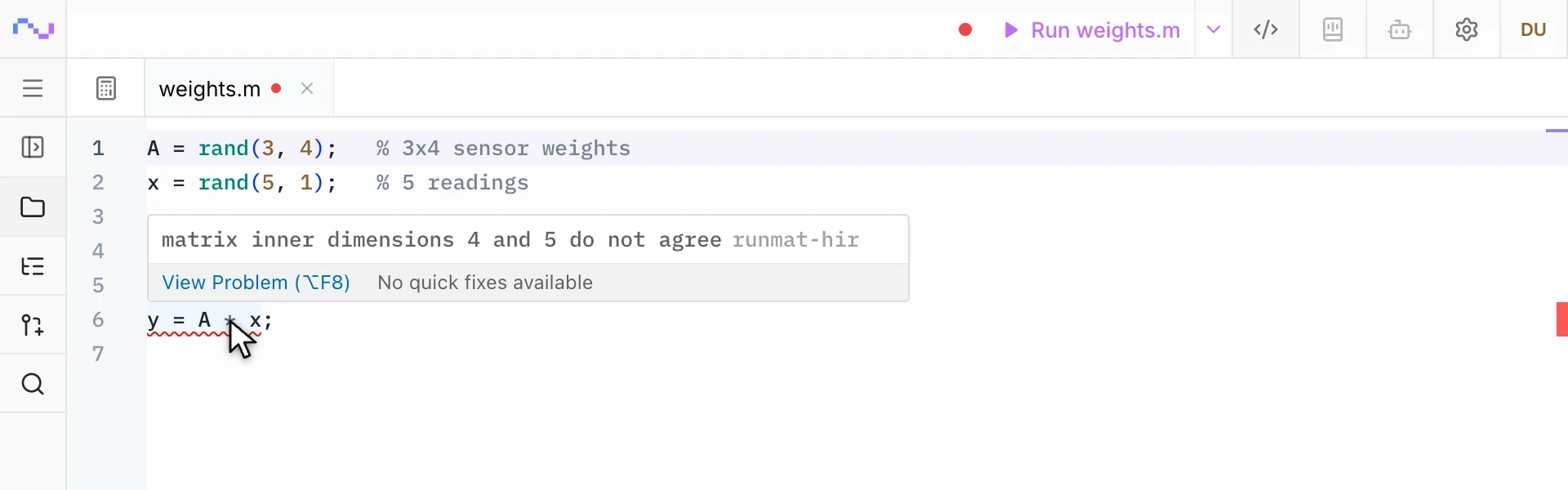
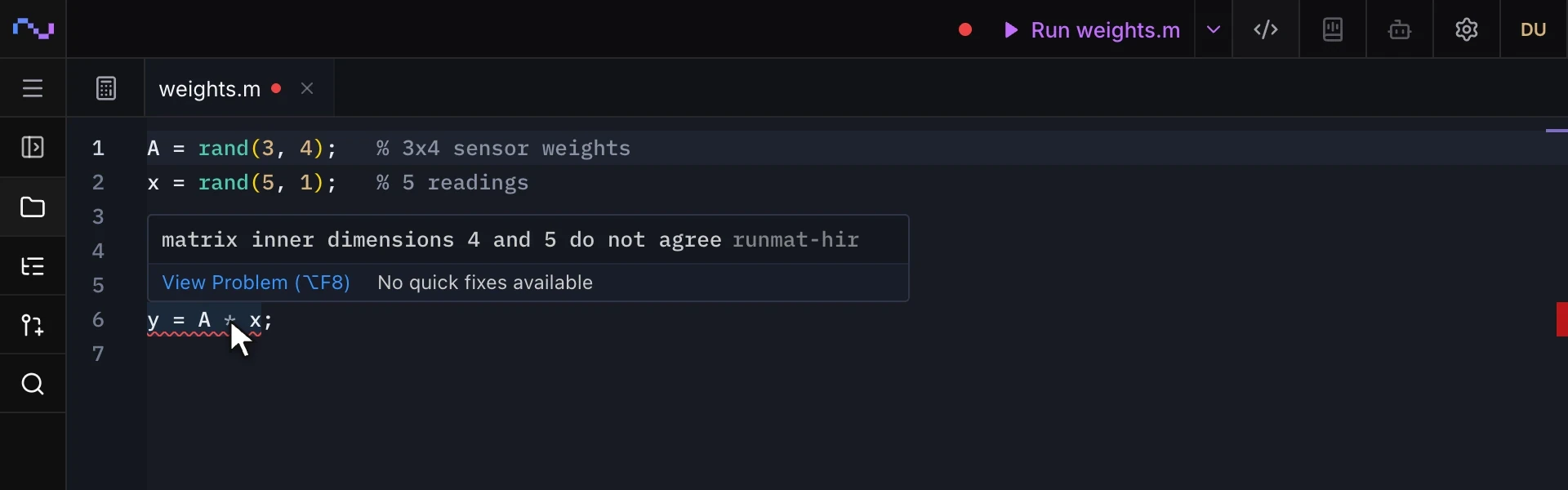
We also implemented the runtime semantics we were still missing, the built-in functions grew from 87 at the first release to more than 2,100, and the runtime's systematic test set grew from 966 to more than 30,000 today.
In this release, with RunMat you can now:
- Call Python, Java and C, allowing you to use existing packages in all three languages.
- Train and run neural networks
- Distribute and scale your code, including
parforloops, across clusters of machines - Build and run your existing MEX extensions in C, C++ and Fortran
The changelog lists everything in this release.
Much of this release came from engineers who sent us their code and showed us where it didn't run yet. More than 10,000 people have used RunMat this year. Thank you to everyone who told us what your existing code needed to run, and what your work needed RunMat to support. That feedback decided what went into this release.
From arrays to geometry
Since March, we have been working on typed geometry and unit representations within RunMat, and connecting them through to the shared sparse solver and distributed computation infrastructure we were building into the runtime.
RunMat now lets you compile strongly typed geometry into STEP AP242 files, strongly typed net lists straight into Gerbers, and so much more.


For geometry, circuits and physics, we chose the syntax the same way we did on the math side: it should be easy to read, be strongly typed with units, statically checkable, and highly extensible. Studies, parts and boards are text files that go through the same compiler as your code, so a load in the wrong units is underlined in red as you type.
RunMat reads and writes open exchange standards, so you can keep the CAD and PCB tools you already use: STEP AP242 with part names and manufacturing information, IGES, STL, DWG, DXF and PDF, KiCad and Eagle schematics and boards, and Gerber, ODB++ and IPC-2581 for the board house.
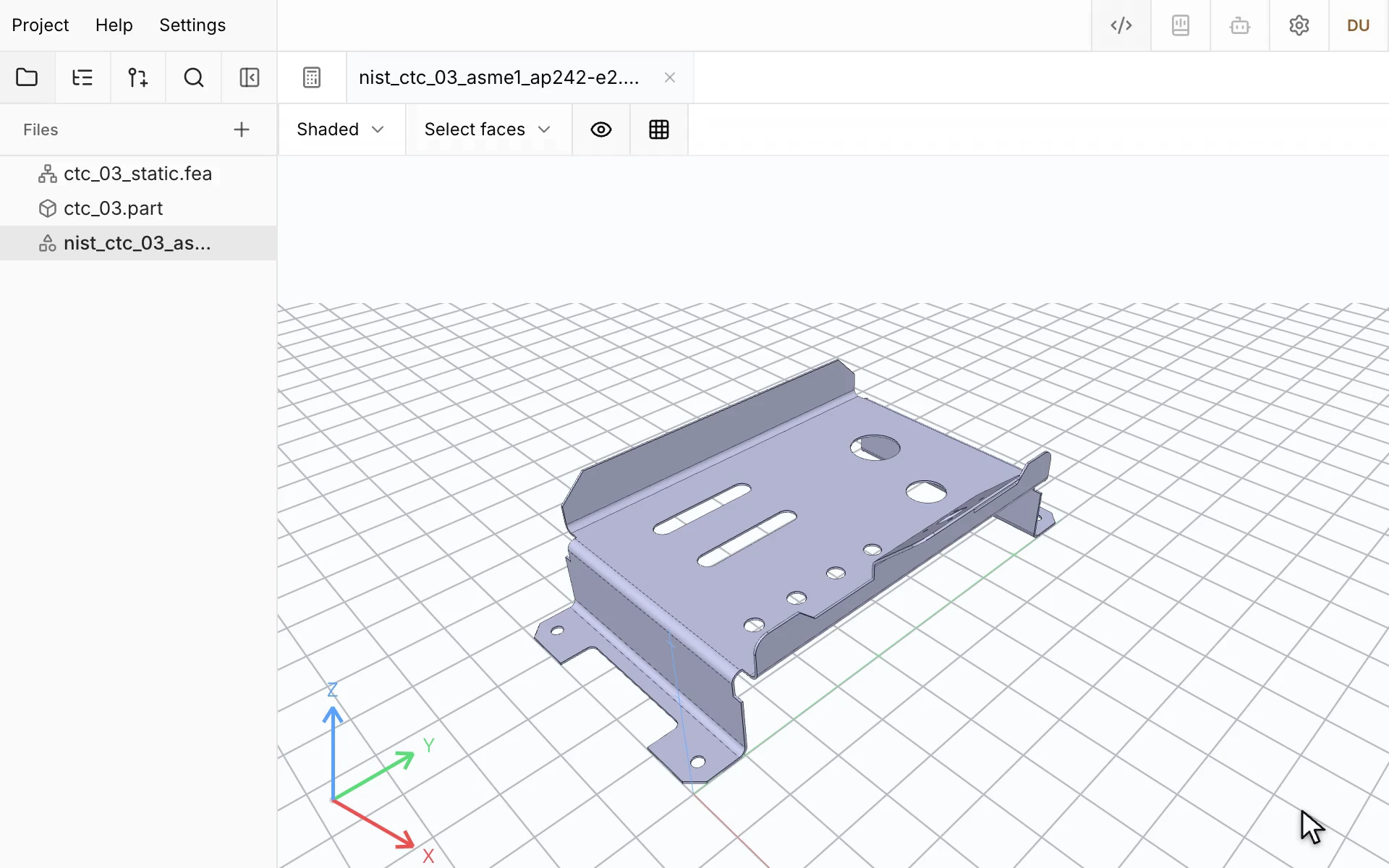
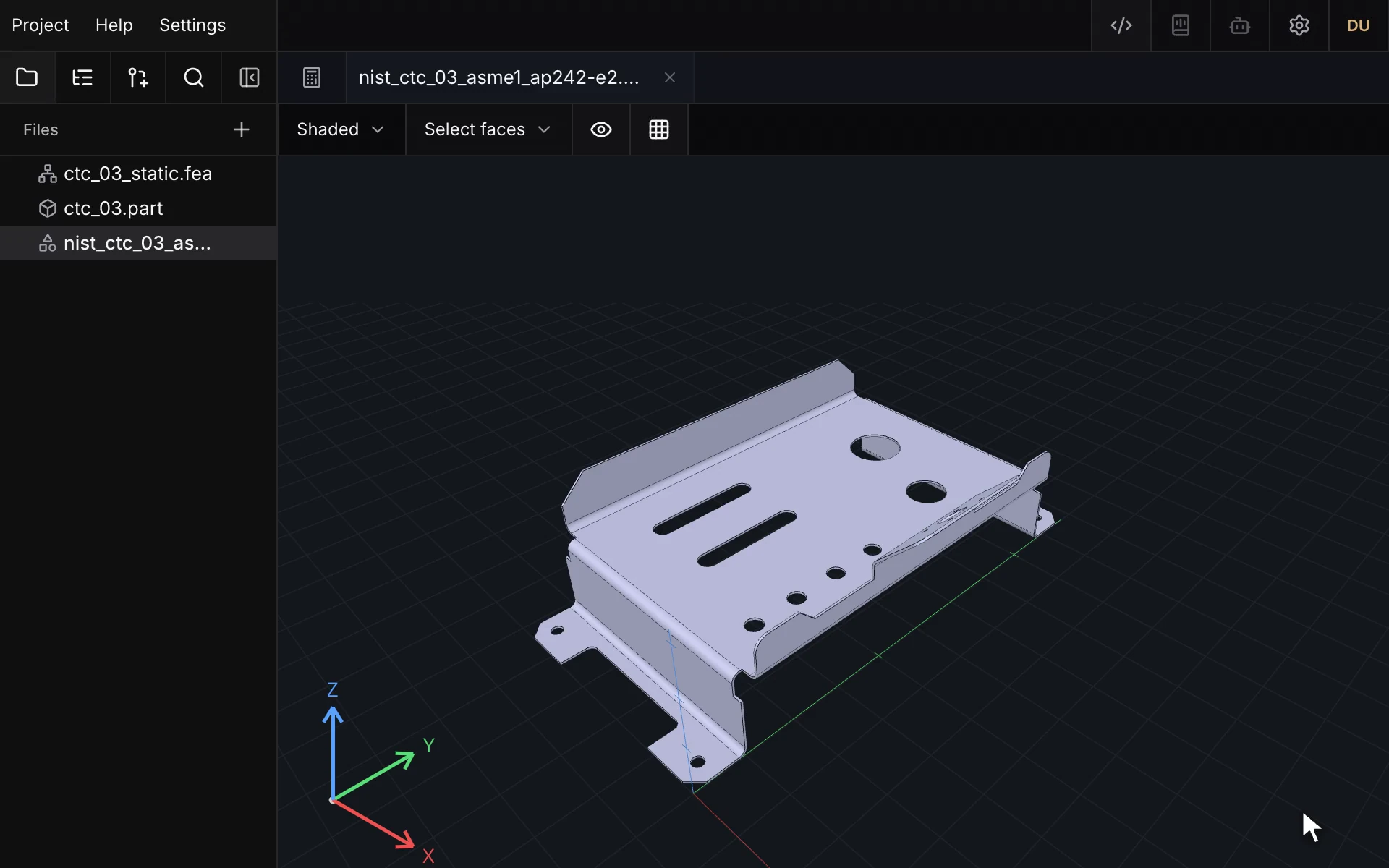
Every dimension in a design carries its unit, whether you type it in the source or set it in the model.
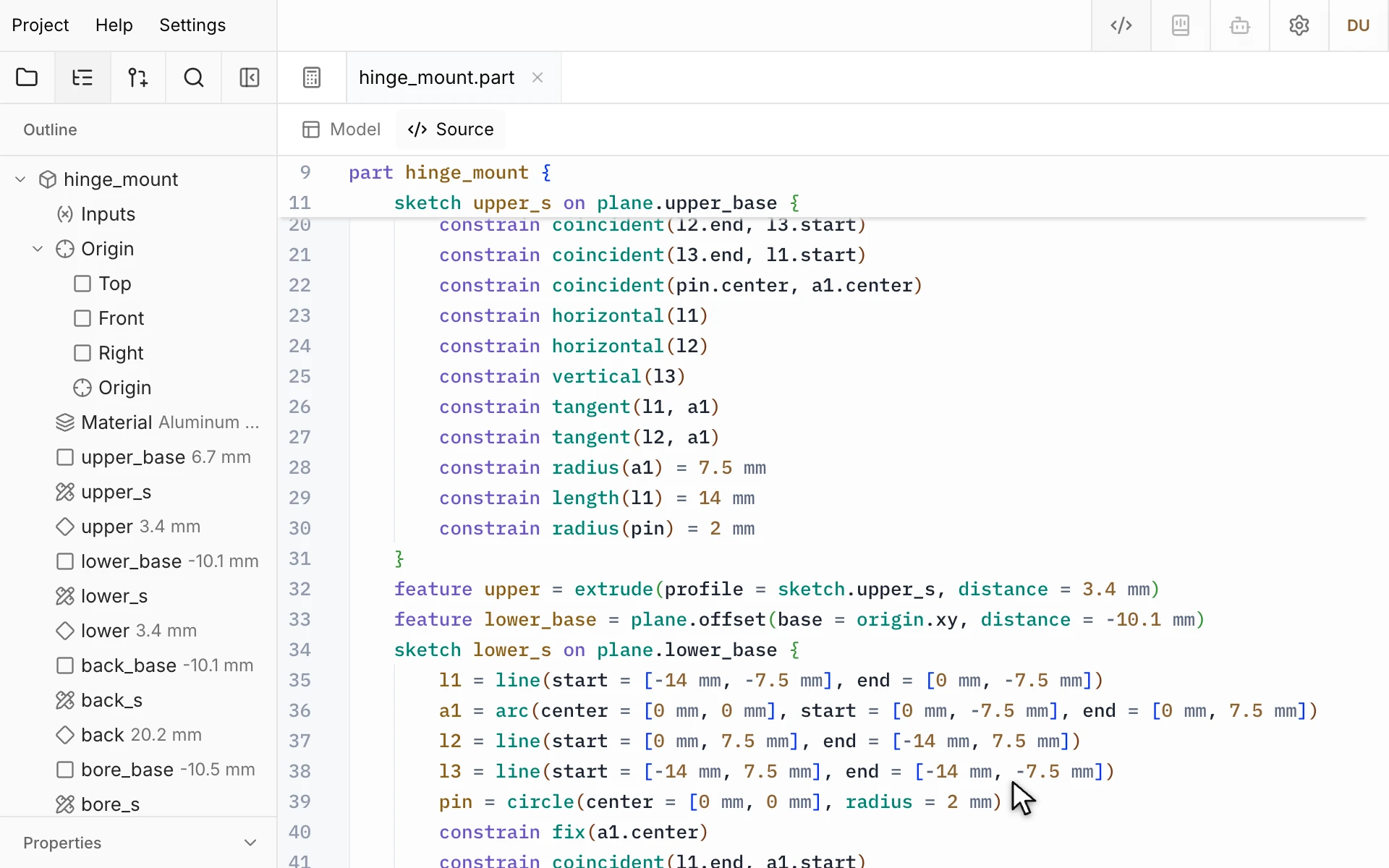
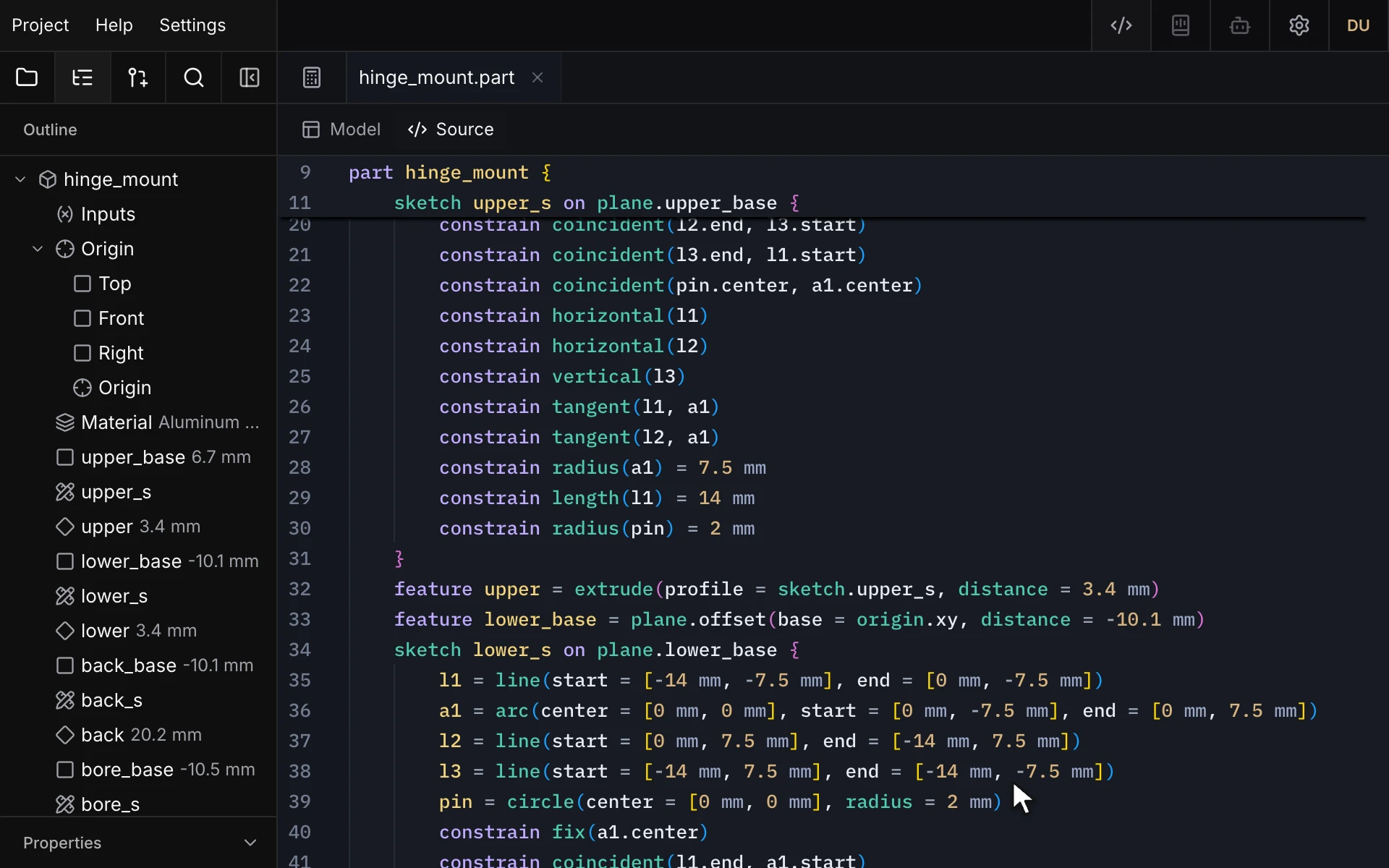
RunMat and AI
We wanted to see how far we could push the new RunMat. In RunMat almost everything is code: math, studies, parts and boards are text with units and static checks, so a model can write a load case or a bracket the same way it writes a function, and RunMat checks the result before anything runs. We had AI coding agents build a product: the camera drone in our examples, with its flight software, airframe, folding arms, gimbal, flight-controller and motor-controller boards, and the simulations that check its arm. It took about 8 hours of model time and roughly $300 in model usage, with minimal human supervision. You can open it in your browser.
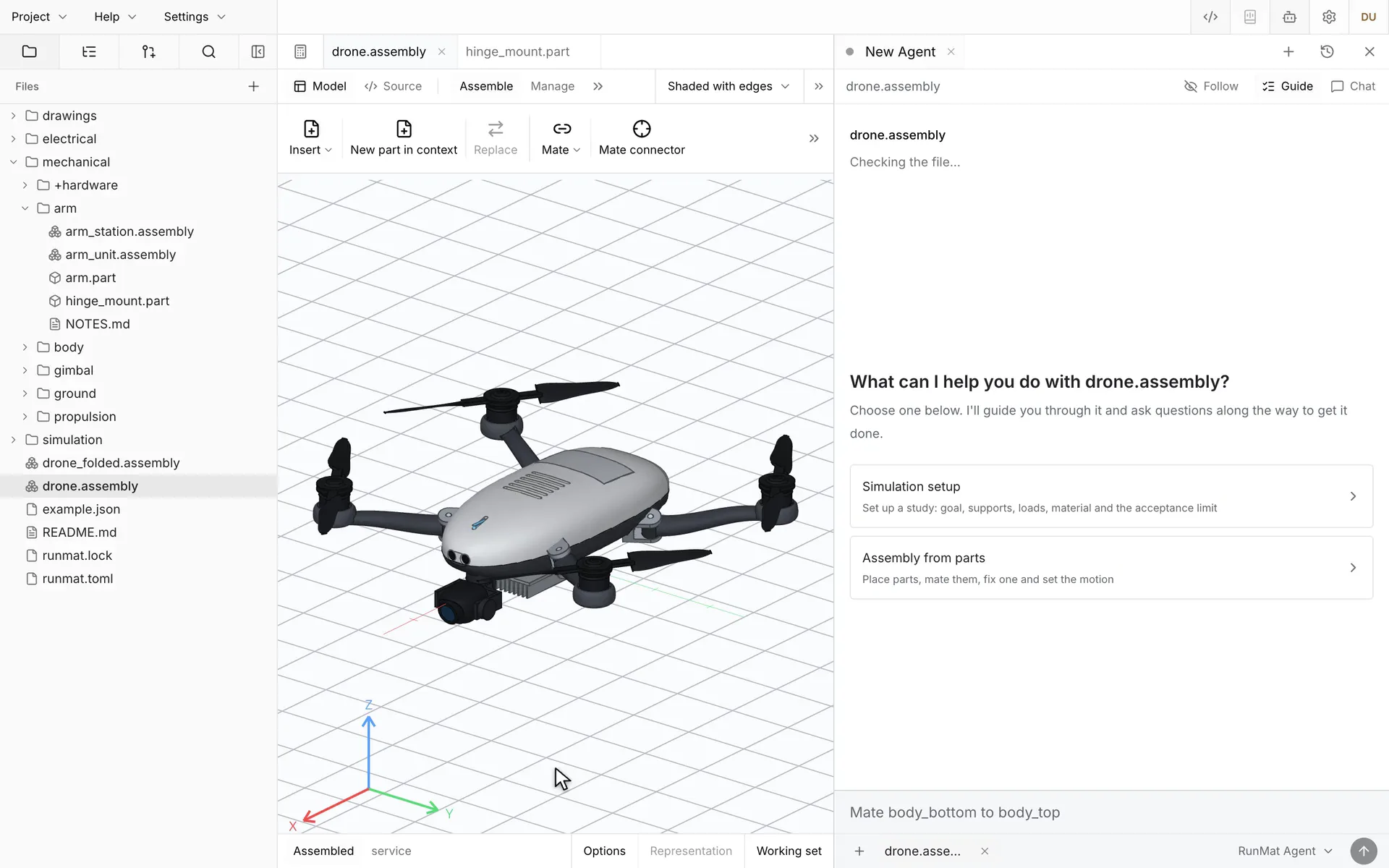
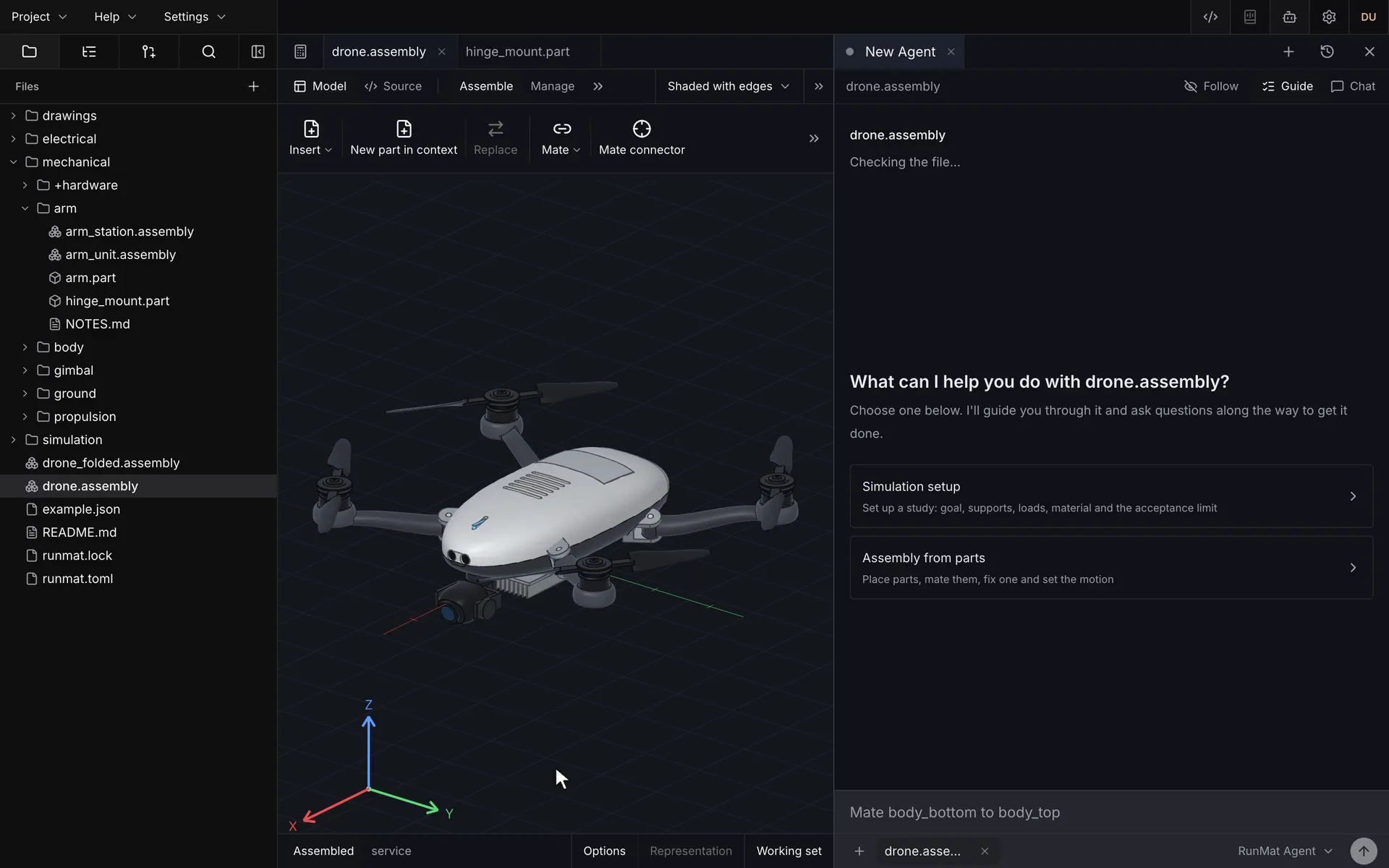
Inside the app, the RunMat Agent works in your project, asks before deciding anything you haven't specified, and makes every change as a diff you review.
Designing the two-story house below took about 3 hours of model time and about $100 in model usage, from the foundation and framing to the plumbing, the HVAC ducts and the electrical service drawings. This would normally take a civil engineer about 200 hours, or roughly $20,000 to $30,000 in design fees.
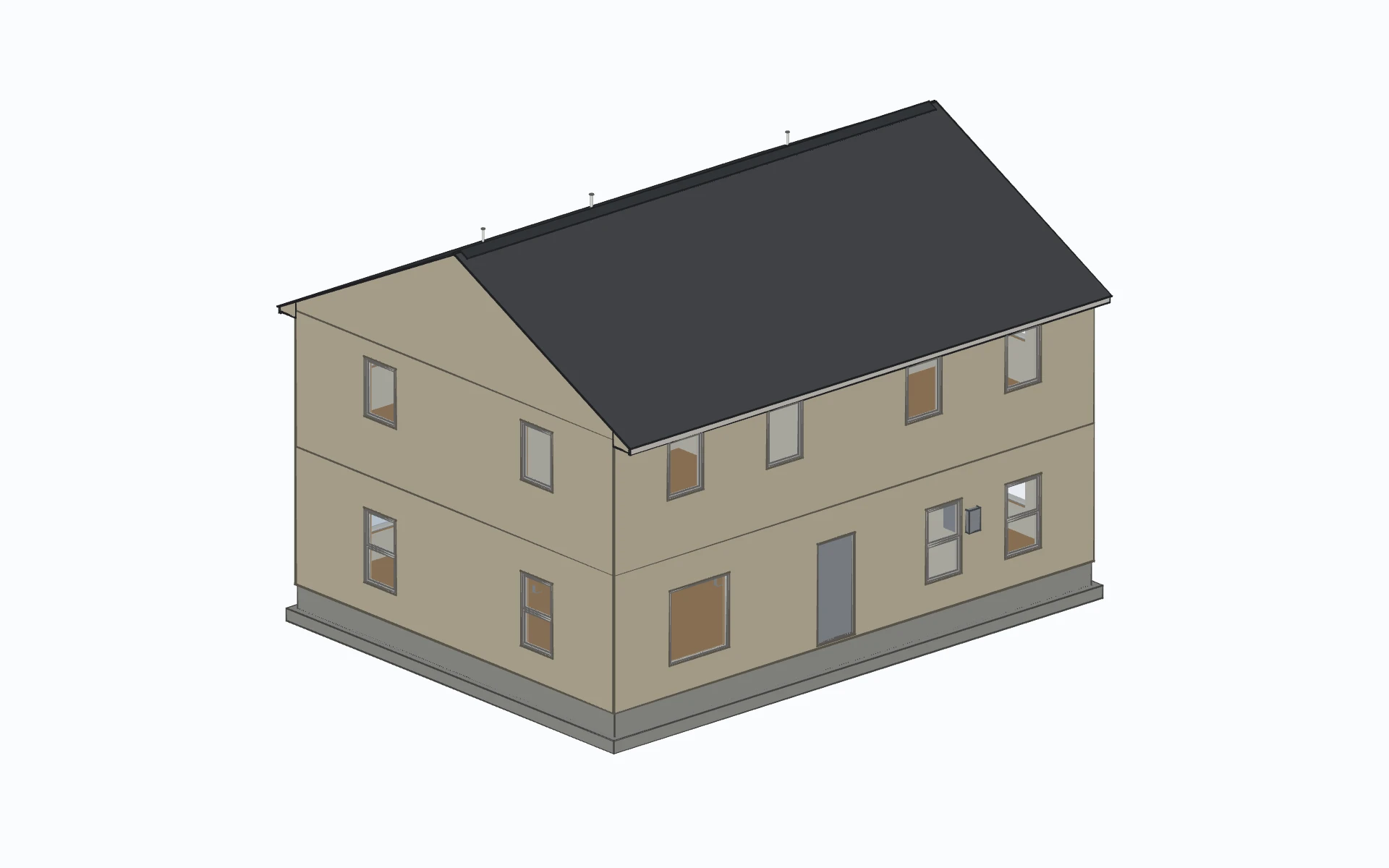
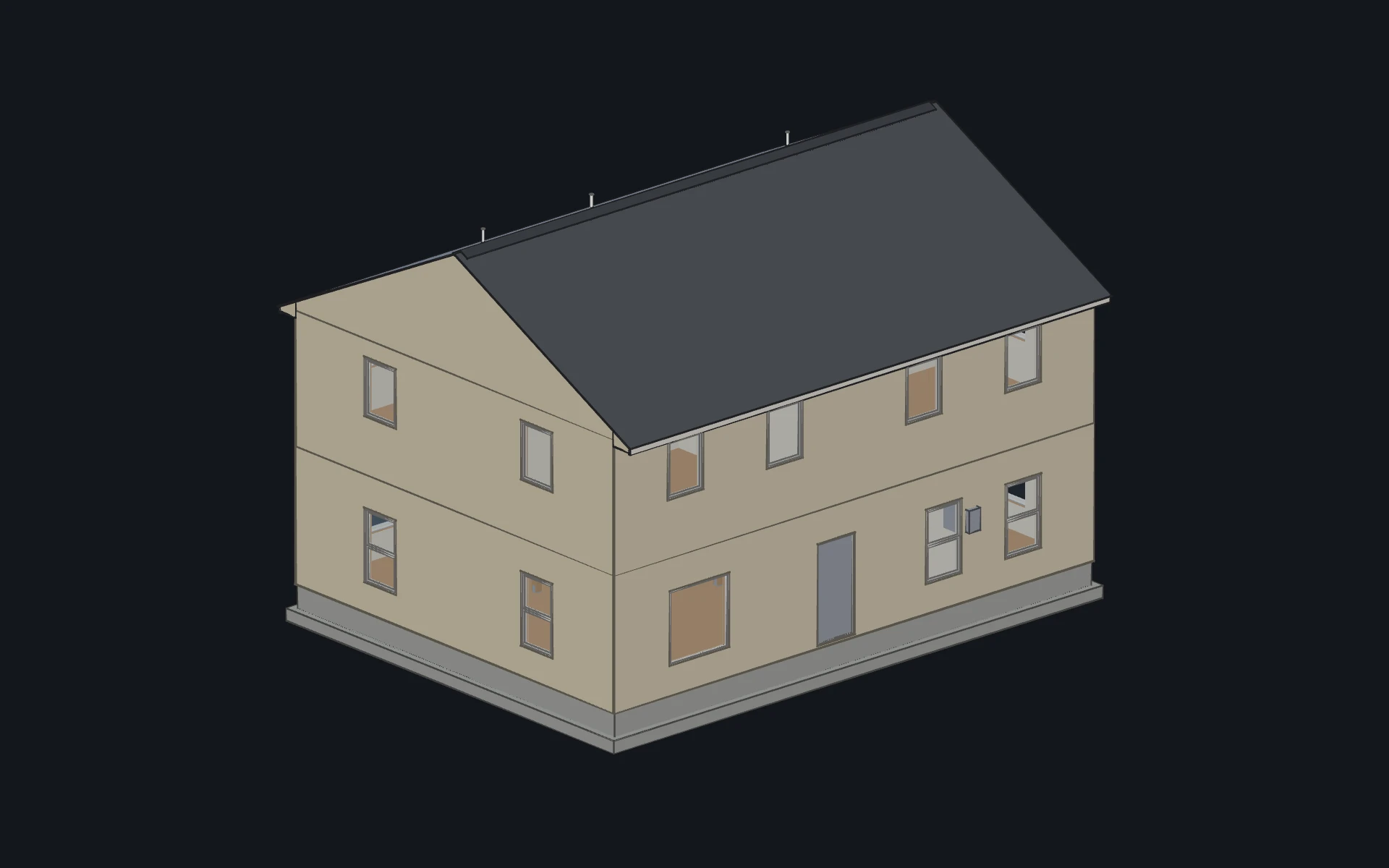
Finally, we wanted to make RunMat a great experience for your existing agent apps too — Claude Code and Codex connect to your RunMat project on your machine, Claude and ChatGPT connect through RunMat's remote server, and any other client that supports the Model Context Protocol (MCP) can connect the same way.
Where 0.7 leaves you
If you run MATLAB-language code, the runtime is ready for your production workloads. More than 10,000 people have now used it, more than 30,000 tests cover it, including the documented examples of each built-in function, and 0.7 has gone through extensive testing. You can use RunMat on your laptop, on a cluster using your own scheduler, or fully offline. If your team runs MATLAB-language code in production, now is the time to evaluate RunMat for it.
Simulation, MCAD and ECAD are in beta and already highly functional. Features that aren't in this release say so, and studies that don't fit in memory or meshes that fail stop with a reason. We're still finishing some commands, and we'll keep shipping releases over the coming days and weeks as we close those gaps.
We're licensing RunMat 0.7 onwards under the Business Source License. It is free for individuals, academia, open-source contributors and smaller organizations. You can read more about the license in this blog post.
The road from here
For the runtime, 1.0 means covering the rest of the language and built-in surface that existing codebases use. Alongside the tests we run today, we will run every open-source MATLAB-language repository we can find and make sure each one passes evaluation, as one more layer of validation. Simulation is working toward larger studies on a laptop, studies that read RunMat parts directly, and more physics. MCAD and ECAD are working toward every command being available to agents and the command line, and drawing standards.
Thank you
We set out towards our North Star 14 months ago. It is incredibly exciting to see a drone and a house come together in RunMat, from the math to the parts, boards and simulation. We are thrilled to see what you build with RunMat. Thank you to everyone who brought their code, their parts and their aspirations to RunMat and told us what you needed.
Things to try next: